Energy Law
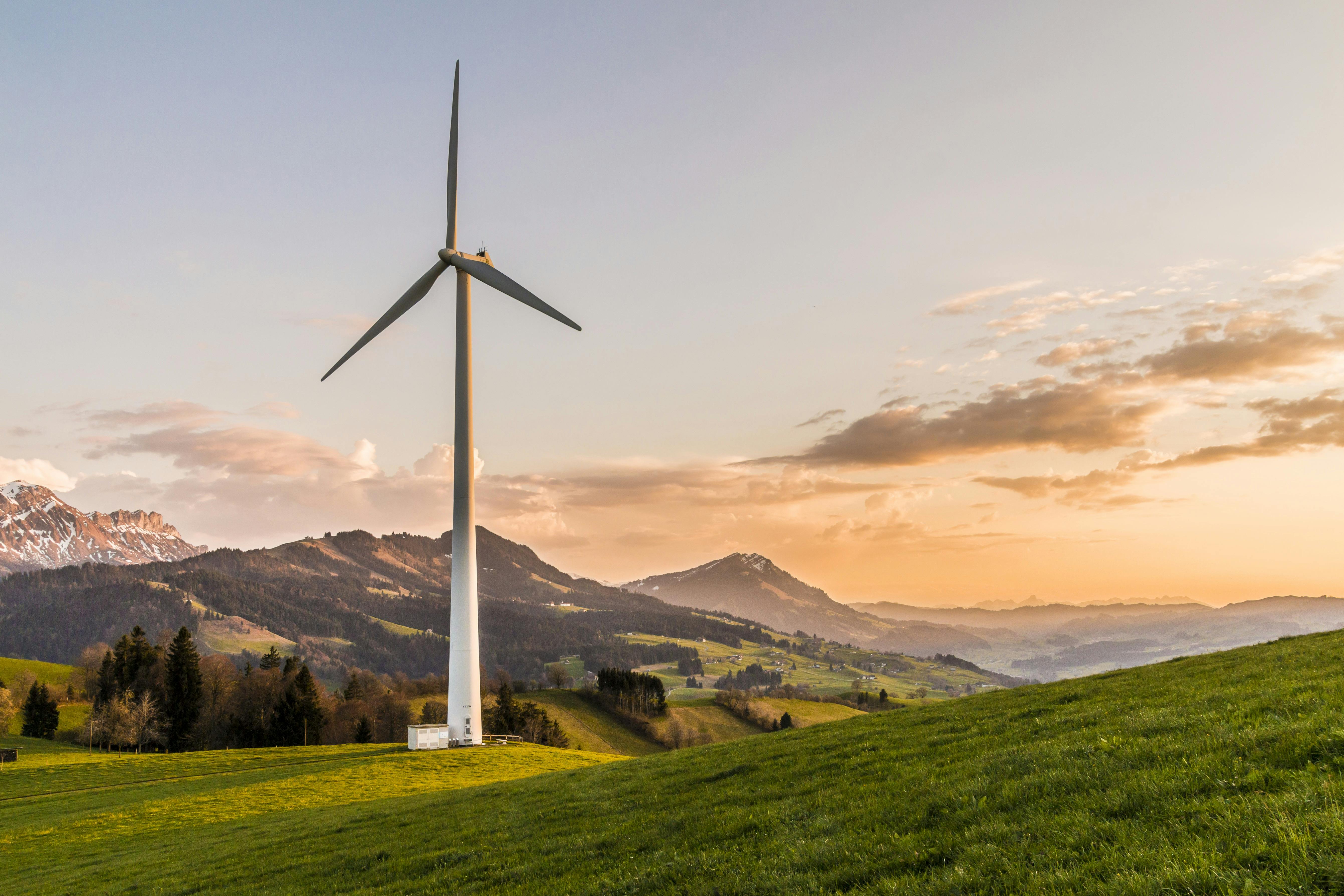
If your company is involved in electric power, hydrocarbons, or renewable energy projects, you need specialized legal advice in Energy Law to comply with regulations, protect your investments, and ensure the viability of your operations.
What is Energy Law and how does it work in Mexico?
Energy Law regulates the generation, distribution, and consumption of energy in its various forms, including electricity, hydrocarbons, and renewable energy. It establishes the legal framework for the participation of both the State and private parties in the energy sector, ensuring legal certainty, sustainability, and responsible use of resources.
Experience and results that support us
Advising national and international companies on energy projects. Legal defense against sanctions and proceedings before the CRE and SENER. Experience in bidding processes, contracts, and regulatory compliance in energy.
In what situations does Energy Law apply?
Advice on exploration, production, and supply contracts. Defense in administrative proceedings in energy matters. Regulatory compliance before CRE, SENER, and CNH. Support in renewable energy and energy transition projects.
Why choose us as your Energy Law lawyers?
Specialized knowledge of the Electric Industry Law, Hydrocarbons Law, and energy regulations. Experience in large-scale projects in the energy sector. Legal strategies focused on the legal certainty of investments. Comprehensive support in all stages: planning, contracts, execution, and legal defense.
Key areas within Energy Law
At our firm, we offer comprehensive advice on: Electricity and hydrocarbons contracts. Regulatory compliance in energy projects. Defense against sanctions in the energy sector. Renewable energy and sustainability projects.
Protect your investments in the energy sector
At Fernández Zubia Abogados, we have a team of lawyers specializing in Energy Law in Mexico, with extensive experience advising and defending companies that participate in the energy industry, ensuring security and sustainability in their operations.
Frequently asked questions
What authorities regulate the energy sector in Mexico?
Mainly the Energy Regulatory Commission (CRE), the Ministry of Energy (SENER), and the National Hydrocarbons Commission (CNH).
What permits do I need to generate or distribute energy?
It depends on the type of project, but generally includes authorizations from the CRE and SENER.
What happens if I fail to comply with a regulatory obligation in the energy sector?
Financial penalties, permit revocation, and even suspension of the project may be imposed.
Do renewable energies have a specific legal framework?
Yes, there are special rules and regulations for solar, wind, hydroelectric, and energy transition projects.
How can I ensure the legal certainty of my energy project?
With specialized legal advice from planning through operation, including contracts and regulatory compliance.
Areas of Legal Expertise


If you are looking for a reliable, efficient law firm with the capacity to protect your interests, contact us today to schedule a consultation!